Revisiting the ROI of DITA
This post is part of Scriptorium’s 20th anniversary celebration.
Back in 2011, I wrote a post on how to calculate the ROI of DITA.

This post is part of Scriptorium’s 20th anniversary celebration.
Back in 2011, I wrote a post on how to calculate the ROI of DITA.
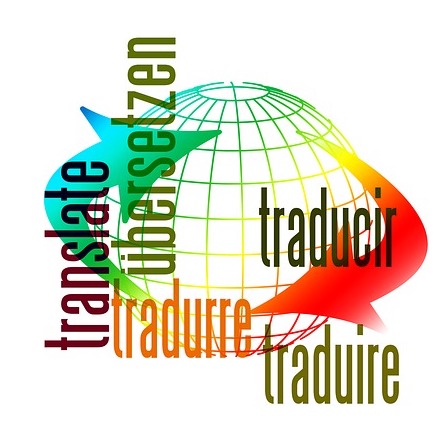
Out of the box, the DITA Open Toolkit (OT) looks as though it’s localization-ready. The HTML and PDF plugins contain strings for over 50 languages. So it would seem that all you have to do is specify the language in your DITA files and maps and you’re good to go…or are you?

In this podcast, Gretyl Kinsey and Sarah O’Keefe discuss DITA specialization, or the process of creating new structures from existing ones. What is involved in developing and testing a DITA specialization? What are some risks and benefits you should consider before specializing your DITA content?

Open standards are great—until you realize that the standard is almost-but-not-quite perfect for your requirements. Then you face ugly choices: do you compromise by forcing your elliptical content into the round standard, or customize the standard to make it just right? Some companies join the standards-making body, and eventually get their requirements added to the standard.

Scriptorium is hosting a live, interactive question and answer session about the authoring courses on LearningDITA.com! Whether you want to go over a specific exercise or you just need some help getting started, bring your questions and join us for the discussion.

00:03 Gretyl Kinsey: Welcome to The Content Strategy Experts podcast brought to you by Scriptorium. Since 1997, Scriptorium has helped companies manage, structure, organize, and distribute content in an efficient way. In episode 14, we discuss the DITA Learning and Training specialization.

In this podcast, Gretyl Kinsey and Simon Bate discuss the DITA Learning and Training specialization. How does this specialization work? What are some ways an organization might benefit from using Learning and Training to structure its educational content? What should you consider before implementing a DITA authoring environment with Learning and Training?

I’ve written in the past on how a QA mindset can improve the quality and consistency of your content. While having a robust test set and test plan are useful, there’s another tool that you can use.

In this podcast, Alan, Bill, and Sarah discuss some of the characteristics of typical DITA projects.

Getting your DITA content into a high-design format like InDesign is a tricky prospect. The biggest stumbling block is the fact that there is no intrinsic link between your ICML and the template that you flow it into. In the end, your InDesign template (you’re using one, right?) is the most important part of a DITA to ICML workflow; it contains the actual styles that will control how your output appears.